
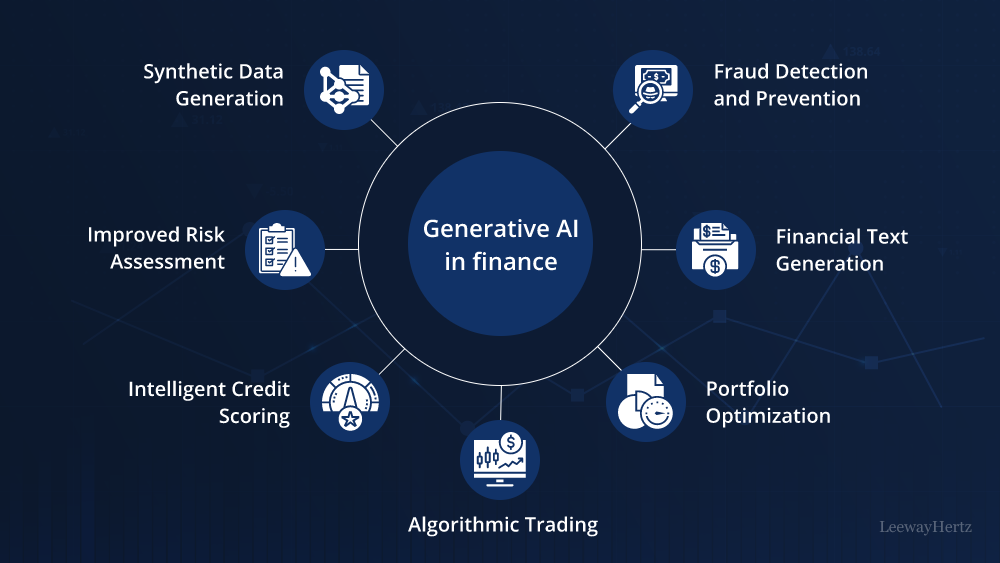
Accounting has traditionally been seen as a field bound by manual processes, endless spreadsheets, and time-consuming data entry. But 2025 is rapidly changing that perception. The rise of generative artificial intelligence (AI) is transforming accounting into a smart, technology-driven discipline that offers faster, more accurate, and insightful financial management.
Generative AI refers to advanced AI systems that can analyze large datasets, create content such as reports, and learn patterns to improve performance over time. For finance professionals, this means automation of repetitive tasks and enhanced decision-making capabilities. This blog explores how generative AI is shaping accounting and what finance pros should know to stay ahead.
What is Generative AI in Accounting?
Generative AI is a branch of artificial intelligence focused on creating new content by learning from data. Unlike traditional AI, which follows predefined rules, generative AI can generate reports, summaries, data visualizations, and even simulate financial scenarios.
In accounting, it is used to:
-
Automate bookkeeping and data entry
-
Generate financial reports automatically
-
Analyze complex datasets to detect anomalies or fraud
-
Forecast financial outcomes based on historical data
-
Assist with tax preparation and compliance
Why Finance Professionals Should Care
1. Save Time and Reduce Errors
One of the biggest benefits of generative AI is automation. Tasks such as invoice processing, account reconciliation, and report writing that used to take hours or days can now be completed within minutes. This reduces human error and frees up time for accountants to focus on strategic work.
2. Enhance Decision-Making with Data Insights
Generative AI can analyze historical financial data to identify trends and patterns that might be missed by manual analysis. This capability allows finance professionals to make data-driven decisions, optimize budgets, and forecast future scenarios more accurately.
3. Improve Compliance and Fraud Detection
AI systems stay updated with latest regulations and can flag suspicious transactions or compliance risks in real time. Detecting fraud earlier and ensuring regulatory adherence helps protect businesses from financial losses and reputational damage.
4. Boost Productivity and Client Service
By automating routine tasks, accountants can dedicate more time to advising clients, interpreting financial insights, and improving the overall quality of service. AI-powered chatbots and virtual assistants also offer instant support, providing answers to queries efficiently.
Real-World Applications of Generative AI in Accounting
-
Financial Reporting: Automatically generate income statements, balance sheets, and cash flow reports, ensuring accuracy and consistency.
-
Tax Preparation: Suggest tax deductions, prepare filings, and assist with complex payroll queries.
-
Audit Automation: Analyze large datasets to identify discrepancies, saving auditors countless hours.
-
Bookkeeping Automation: Capture invoice data, classify expenses, and reconcile accounts seamlessly.
-
Conversational Finance: AI-powered assistants help employees and clients navigate financial questions with natural language understanding.
Major firms like Deloitte and PwC have already pioneered generative AI tools that help their finance teams work smarter, not harder.
How to Prepare for Generative AI Adoption in Finance
-
Invest in Training: Equip staff with digital skills and train them on AI tools for seamless transition.
-
Embrace Data Governance: Ensure data quality and security to maximize AI effectiveness.
-
Adopt Scalable Solutions: Choose AI platforms that can grow with your business needs.
-
Balance Automation and Human Judgment: Use AI to augment decision-making, not replace expertise.
-
Stay Informed on Regulations: Keep abreast of laws affecting AI use in finance to remain compliant.
Key Benefits Summarized
-
Increased efficiency through automation
-
Enhanced accuracy and fewer errors
-
Improved financial forecasting and scenario planning
-
Proactive fraud and risk management
-
Better client engagement and service quality
Conclusion
Generative AI is revolutionizing accounting by turning back-office functions into strategic assets. For finance professionals in 2025, understanding and embracing this technology is no longer optional but essential. It offers powerful tools to automate tedious tasks, boost data accuracy, and uncover deeper financial insights. By combining their expertise with AI, finance professionals can play a more influential role in driving business success.
With the right mindset, training, and technology, the rise of generative AI marks a new era where accounting is smarter, faster, and more dynamic than ever before.

