
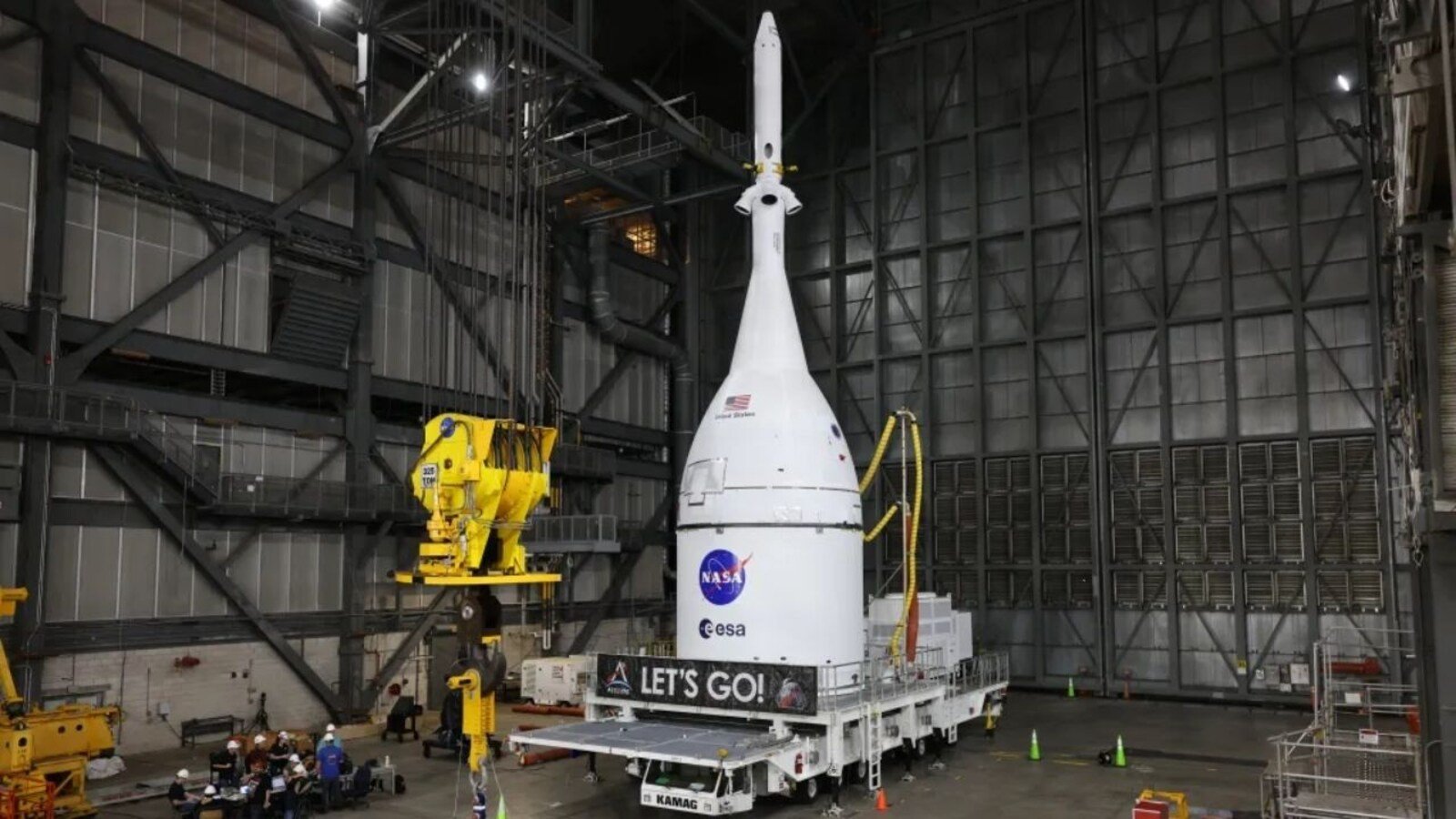
NASA will roll its Moon rocket back to the hangar for additional repairs before astronauts board for launch, marking yet another delay in the highly anticipated return of humans to lunar orbit.
The space agency confirmed that its massive Space Launch System rocket, designed to carry astronauts around the moon under the Artemis program, will remain grounded until at least April. The rollback to the Vehicle Assembly Building at Kennedy Space Center is expected to begin Tuesday, weather conditions allowing. The slow journey across the sprawling spaceport covers roughly four miles and takes several hours to complete.
A New Technical Setback
The decision comes just days after engineers completed a critical fueling test intended to confirm that earlier hydrogen fuel leaks had been resolved. Those leaks had already pushed back launch timelines and forced multiple inspections.
However, shortly after that test wrapped up, another complication emerged — this time involving the rocket’s helium system. Helium plays a vital role in spaceflight operations. It is used to purge engines and maintain pressure in the fuel tanks. Engineers detected an issue that disrupted the flow of helium to the rocket’s upper stage, prompting immediate concern.
This new malfunction halted progress just as the team had begun setting a March 6 launch date — already about a month behind schedule.
Why the Rollback Is Necessary
NASA officials explained that moving the rocket back inside the massive assembly building is essential to properly diagnose and repair the issue. Working within the controlled indoor environment allows engineers full access to the vehicle and its complex systems.
In a statement, NASA emphasized that the rollback is required to pinpoint the root cause of the helium problem and implement a reliable fix before proceeding.
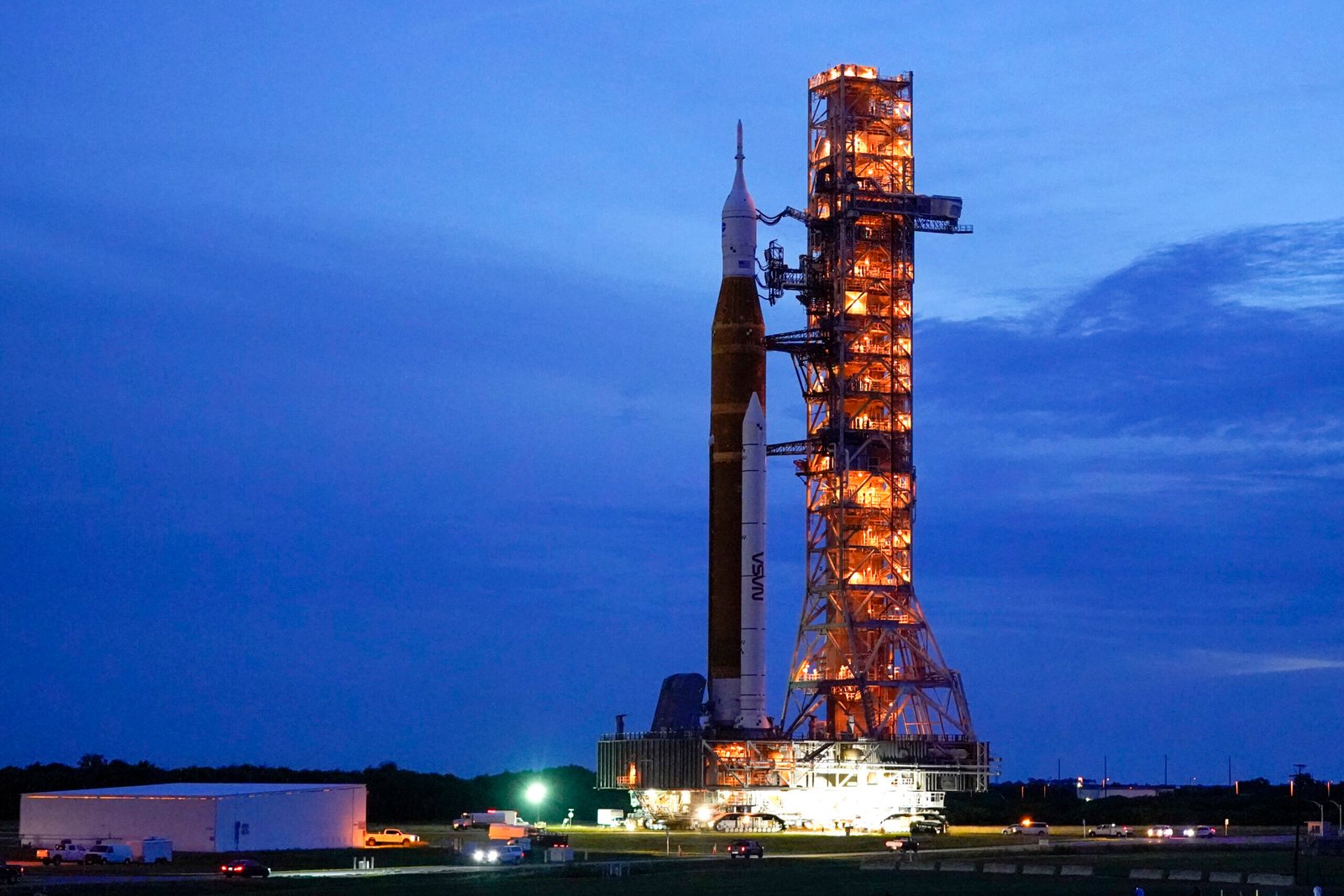
The agency noted that preparations for the rollback were executed quickly in hopes of preserving a potential April launch window. Still, officials cautioned that the exact timing will depend entirely on how smoothly the repair process unfolds.
Limited Launch Opportunities
Launching a crewed lunar mission is not as simple as picking a convenient date. Precise orbital mechanics limit NASA to only a few viable launch days each month to send astronauts around the moon and safely return them to Earth. Any further technical setbacks could push the mission even further down the calendar.
The Artemis II Crew on Standby
The four astronauts assigned to Artemis II — three Americans and one Canadian — remain in training and on standby in Houston. When they finally lift off, they will become the first humans to travel to lunar orbit since the era of the Apollo program, which sent 24 astronauts to the moon between 1968 and 1972.
Despite the delay, anticipation remains high. Artemis II represents a major step in NASA’s broader effort to establish a sustainable human presence near the moon and eventually pave the way for missions to Mars.
For now, engineers are focused on ensuring that every system performs flawlessly before astronauts strap in — because when it comes to deep-space exploration, precision and safety must come first.

