
Ask most technology executives what separates great leaders from merely competent ones, and they will talk about strategy, Vision, Innovation and Digital transformation. The vocabulary of the modern boardroom is vast, sophisticated, and almost entirely focused on systems.
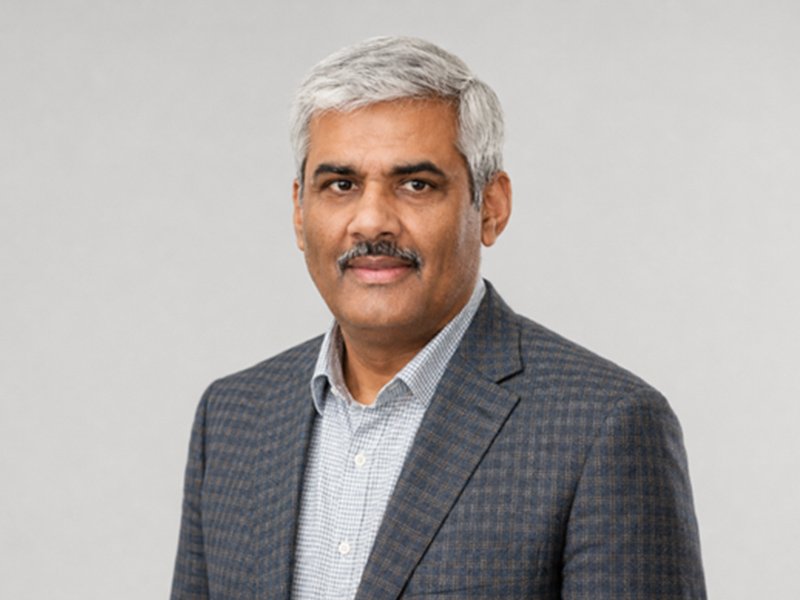
Rakesh Singh spent 28 years inside those boardrooms. And the lesson that changed everything for him had nothing to do with any of it.
It was this: “the most powerful technology in the world will fail if the people behind it are not led well”.
That insight simple, almost obvious when spoken aloud, and yet systematically ignored by organizations everywhere is the thread that runs through Singh’s entire career, and through every page of his book, A Road in My Name.
What Three Decades at the Top Actually Teaches You
Singh currently serves as a senior technology leader at a Fortune 500 company in the United States. He has led large-scale digital transformation initiatives across industries and geographies. He has watched organizations spend fortunes on technology that stalled, not because the systems failed, but because the people were not ready, not aligned, and not led through the change with clarity and care.
The pattern repeated itself enough times that it stopped being surprising and started being instructive.
The organizations that succeeded were not always the ones with the most advanced technology. They were the ones with leaders who understood that transformation is a human experience before it is a technical one. Leaders who could create trust, communicate a vision, and bring people along rather than simply pushing them forward.
“You can deploy the most sophisticated technology in the world. If your people do not believe in the vision, it will not move an inch.”
The Leadership Quality Nobody Puts on a Job Description
Singh calls it the ability to create clarity in the middle of uncertainty. And in his experience, it is the rarest and most valuable quality a leader can possess.
Technology changes fast. Business priorities shift. Market conditions evolve in ways that no strategy document fully anticipates. In those moments the ones where the plan meets reality and the two do not quite match the quality of leadership either holds an organization together or quietly unravels it.
Leaders who can look at a team that is confused, anxious, or resistant to change, and help them find solid ground again, are worth more than any software platform ever built. Singh has spent decades developing that quality in himself, and equally important, in the people around him.
Why He Never Stopped Learning Even After He ‘Made It’
One of the most common mistakes successful professionals make is treating their expertise as an asset to protect rather than a foundation to keep building on. They arrive at a prestigious title or a comfortable salary and quietly stop growing, telling themselves they have already put in the years.
Singh took the opposite approach. Even at the peak of his career, he continued investing in his own development through executive programs at MIT, Cornell, UC Berkeley, and Stanford, studying everything from digital transformation and sustainability to servant leadership. Not to collect credentials. But because he understood something that most leaders learn too late: the world you are leading in today is not the world you were trained for. And the gap between the two is widening every year.
That commitment to lifelong learning is not just a personal philosophy for Singh. It is the direct advice he gives to every professional who asks him how to build a career that lasts.
Servant Leadership Is Not Softness, It Is Strategy
Singh is a passionate advocate of servant leadership, a term that sometimes gets misread as passive or overly gentle. In his hands, it is anything but.
Servant leadership, as he practices and teaches it, means investing in the growth of your team before you demand results from them. It means removing the obstacles that prevent talented people from doing their best work. It means measuring your success not by how much authority you hold, but by how many others you have helped to lead.
That philosophy, consistently applied over decades, produces something that top-down management almost never can: genuine loyalty, real innovation, and the kind of team that performs not because they are managed, but because they are inspired.
Everything He Learned, in One Place
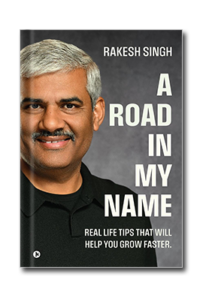
A Road in My Name captures the leadership lessons Singh accumulated across a career that refused to follow a script. It is not a management textbook full of frameworks and diagrams. It is an honest, personal account of what it actually takes to lead well through uncertainty, through failure, through the moments where the easy choice and the right choice are not remotely the same thing.
If you manage people, aspire to manage people, or simply want to understand why some leaders inspire and others merely instruct, this book will give you something that most leadership training programs never do: the unfiltered truth from someone who lived it.
► GET YOUR COPY: A Road in My Name — Order on Amazon

